It is tempting to regard real estate development project management as construction project management applied to buildings that will be sold. The framing is understandable and materially incomplete. A development project manager is responsible not merely for delivering an asset to specification but for protecting a commercial proposition in which land cost, financing, sales velocity, regulatory compliance, and delivery are interdependent.
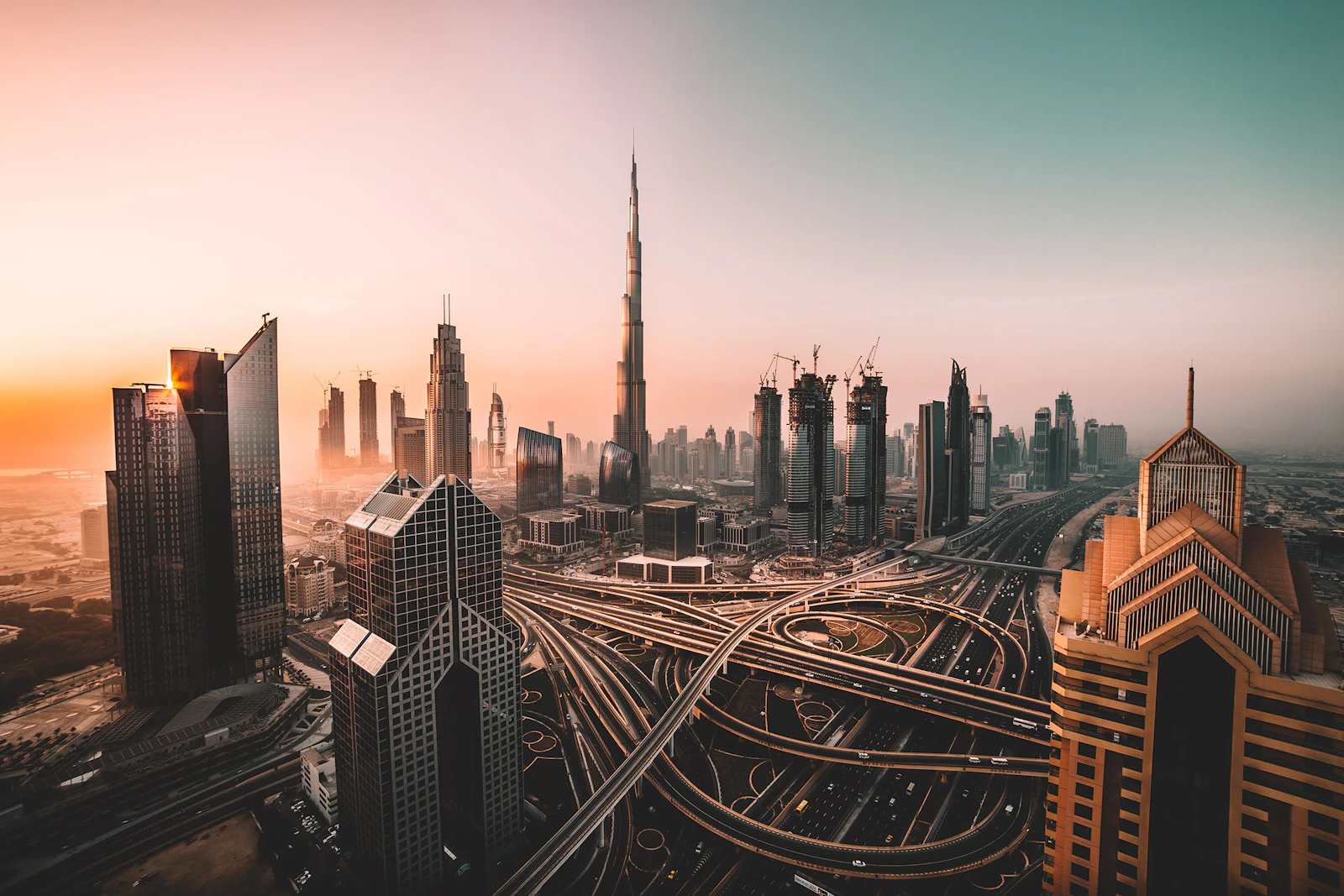
In Dubai, where off-plan sales fund a substantial share of development activity and regulatory frameworks govern how buyer funds are handled, this commercial dimension is particularly pronounced. Decisions that appear to be construction decisions frequently have direct consequences for cash flow, regulatory standing, and buyer confidence.
The development lifecycle is wider than the build
Construction occupies the visible middle of a development, but the phases either side determine much of its success. Site acquisition and feasibility establish whether the proposition works at all. Design and approvals fix what can be built and how efficiently. Sales and marketing determine the revenue profile that funds delivery. Handover, snagging, and the transition to owners association management shape the reputation that carries into the next project.
A development project manager operating only within the construction phase manages a fragment of the risk. The value of the role lies substantially in connecting these phases — ensuring that design serves saleability, that delivery supports the sales programme, and that decisions in one phase do not create problems in another.
Off-plan sales and escrow discipline
Dubai’s regulatory framework for off-plan sales requires that buyer payments for a registered project be placed into a designated escrow account, with releases governed by verified construction progress. The mechanism protects purchasers and imposes on developers a direct linkage between physical delivery and access to funds.
The practical consequence for project management is significant. Progress is not merely a reporting matter but the basis on which funds are released, which makes accurate measurement, proper certification, and disciplined documentation commercially critical. A project whose reported progress cannot be substantiated faces a cash-flow problem, not simply a governance one. Programme slippage propagates directly into funding availability, which is why development programmes require particularly rigorous controls.
Phasing, sales velocity, and the cash-flow spine
Development economics rest on the relationship between expenditure and receipts over time, and phasing is the primary instrument for managing it. Releasing a development in phases allows early revenue to support later construction, limits exposure if the market softens, and provides the opportunity to adjust product in response to demonstrated demand.
This makes cash flow, rather than the completion date alone, the spine of a development programme. A project manager who optimises construction sequence without regard to sales phasing and payment milestones may deliver an efficient build that strains the development’s funding. Programme decisions in this context are financial decisions, and should be evaluated as such.
Handover is where reputation is decided
For a developer, handover is not the end of a project but the beginning of a relationship with hundreds of individual purchasers, each of whom will form a judgement about the developer’s quality and communicate it publicly. A well-managed handover — thorough pre-handover quality assurance, efficient snagging, clear documentation, and a properly established owners association transition — converts delivery into reputation.
A poorly managed one produces the opposite, and its consequences extend well beyond the project. In a market where developer reputation directly influences off-plan sales velocity on subsequent launches, handover quality is a commercial asset rather than an administrative conclusion.
On a development, the programme is a financial instrument. Every decision about sequence and phasing is simultaneously a decision about cash flow, funding access, and risk exposure.
Key takeaways
- 1Development project management spans acquisition to handover, not construction alone.
- 2Dubai’s escrow framework links verified construction progress directly to release of buyer funds.
- 3Phasing and cash flow — not the completion date alone — form the spine of a development programme.
- 4Handover quality converts delivery into developer reputation and affects future sales velocity.
Frequently asked questions
What is an escrow account in Dubai off-plan development?
It is a designated account into which purchaser payments for a registered off-plan project are deposited, with releases to the developer governed by verified construction progress. It protects buyers and ties developer funding directly to delivery.
How does development project management differ from construction project management?
Construction project management focuses on delivering the asset; development project management additionally carries responsibility for the commercial proposition — feasibility, sales phasing, cash flow, regulatory compliance, and handover — of which construction is one component.
Why does phasing matter so much in development?
Because it governs the relationship between spending and revenue over time. Phasing allows early receipts to support later construction, limits market exposure, and permits product adjustment in response to demonstrated demand.

